Curve Science.
Construction, fit, compression, fabrics, seams and garment engineering.
Stories
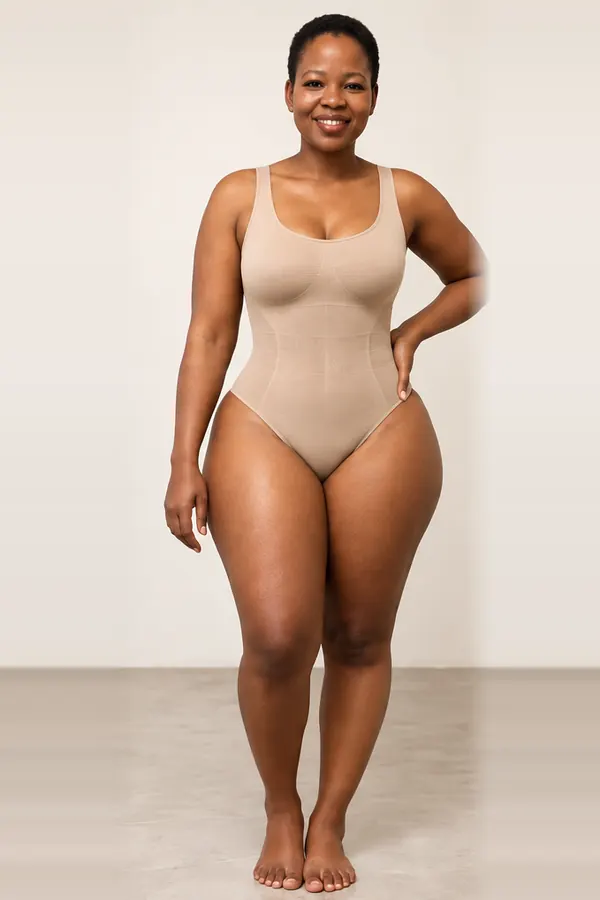
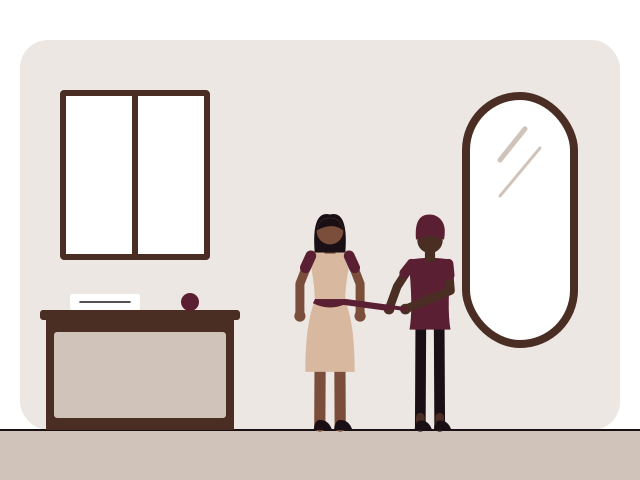
One Garment, One Continuous Line
Every place a garment ends is a place a line can show. A bodysuit removes the joins.
Read the story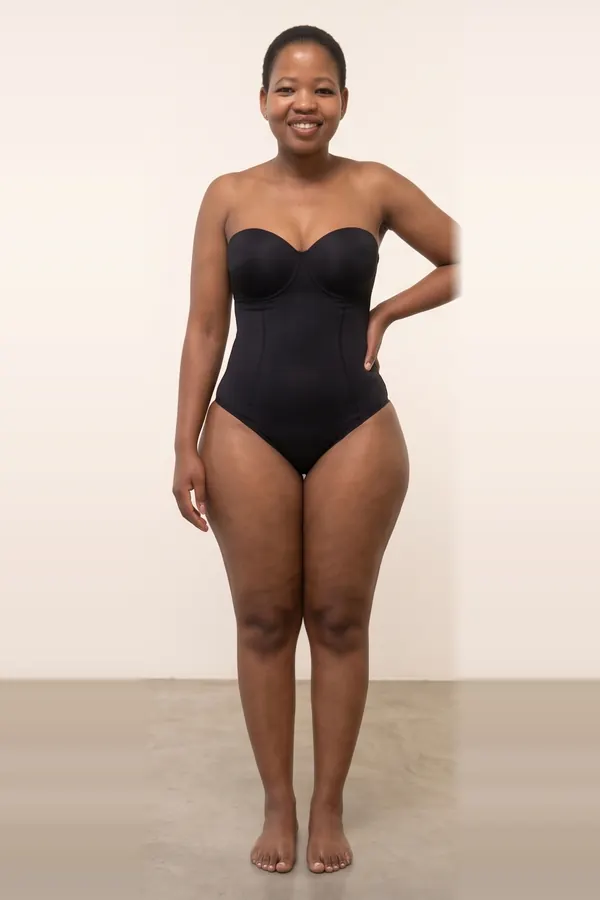
The Bust-to-Waist Equation
How support at the bust and shaping at the waist work together in fitted clothing.
Read the story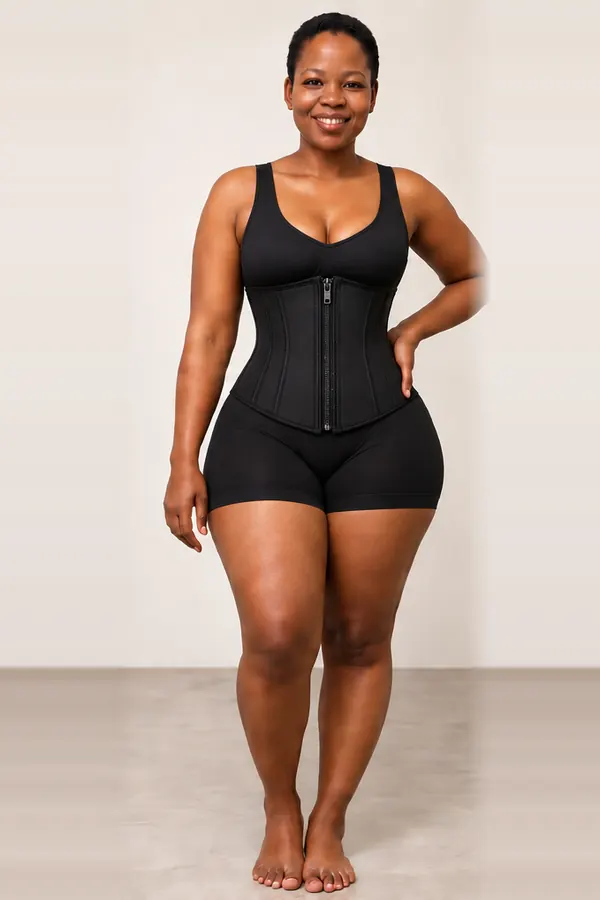
Zip, Smooth, Go: Why Fastening Architecture Matters
How a garment closes changes how fast you dress, how pressure spreads and what shows through.
Read the story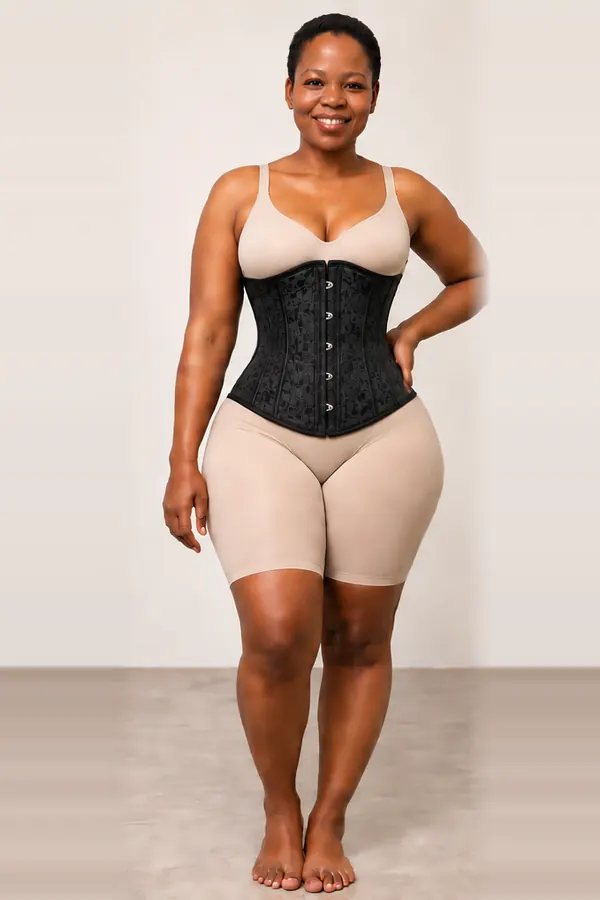
Boning Explained: The Skeleton Inside the Silhouette
Boning is the skeleton inside a silhouette. Here is how it works.
Read the storyWhy the Old-School Hook Still Works
The hook-and-eye has outlived most shapewear inventions. There is a reason.
Read the story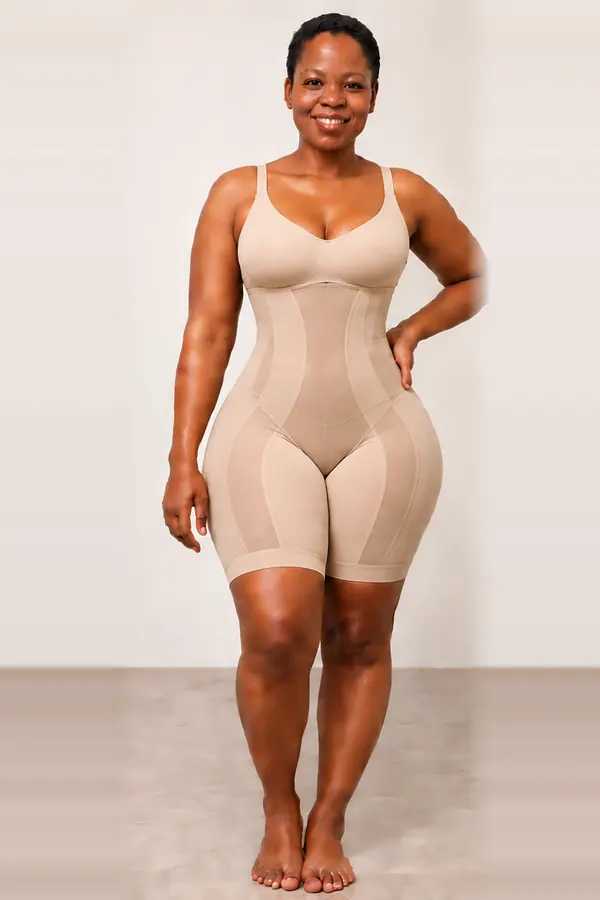
Seams Are the Story Your Dress Shouldn't Tell
What seamless means technically, and why clingy fabric exposes construction.
Read the storyWhat Seamless Really Means - and What It Doesn't
Bonded edges, circular knitting and compression zones. Seamless does not mean structureless.
Read the storyCompression Knitted Into the Fabric
How yarn, loop length and knit zones change stretch, pressure and comfort.
Read the story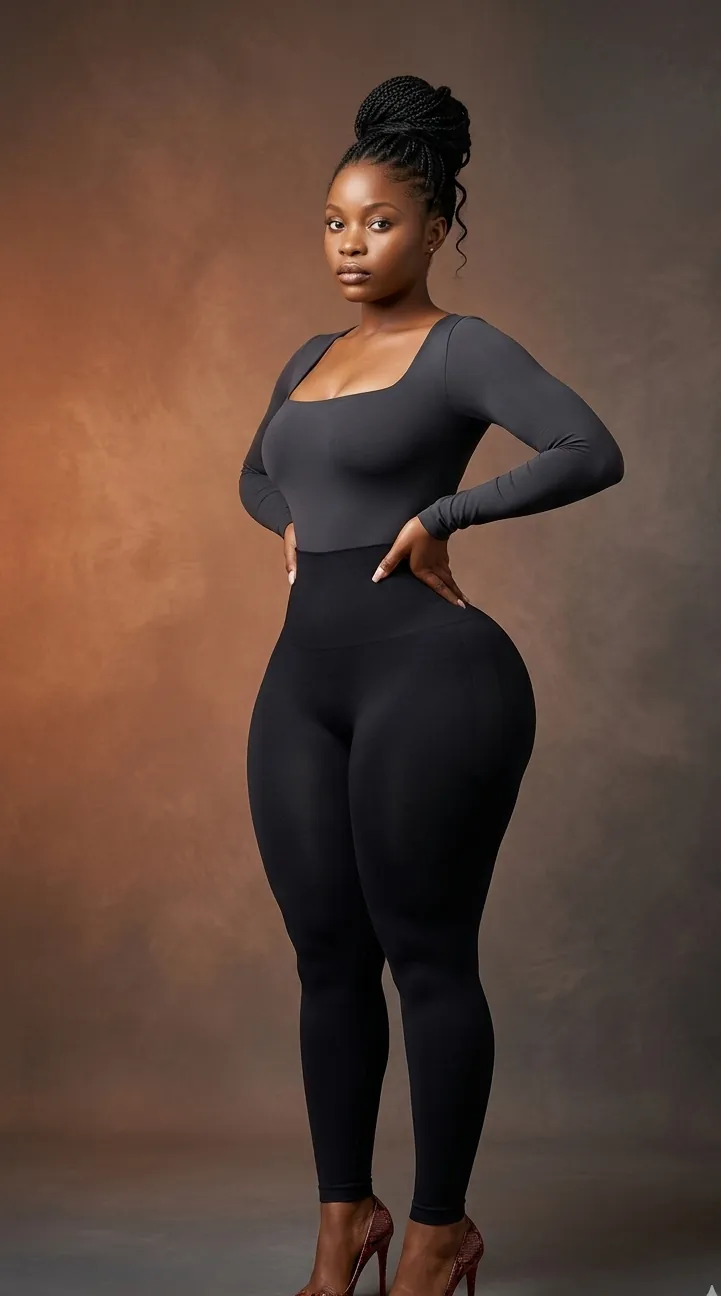
Pressure Is a Design Tool, Not a Punishment
Good shapewear places pressure where it helps and eases it where it does not. Pressure is a design tool, not a punishment.
Read the story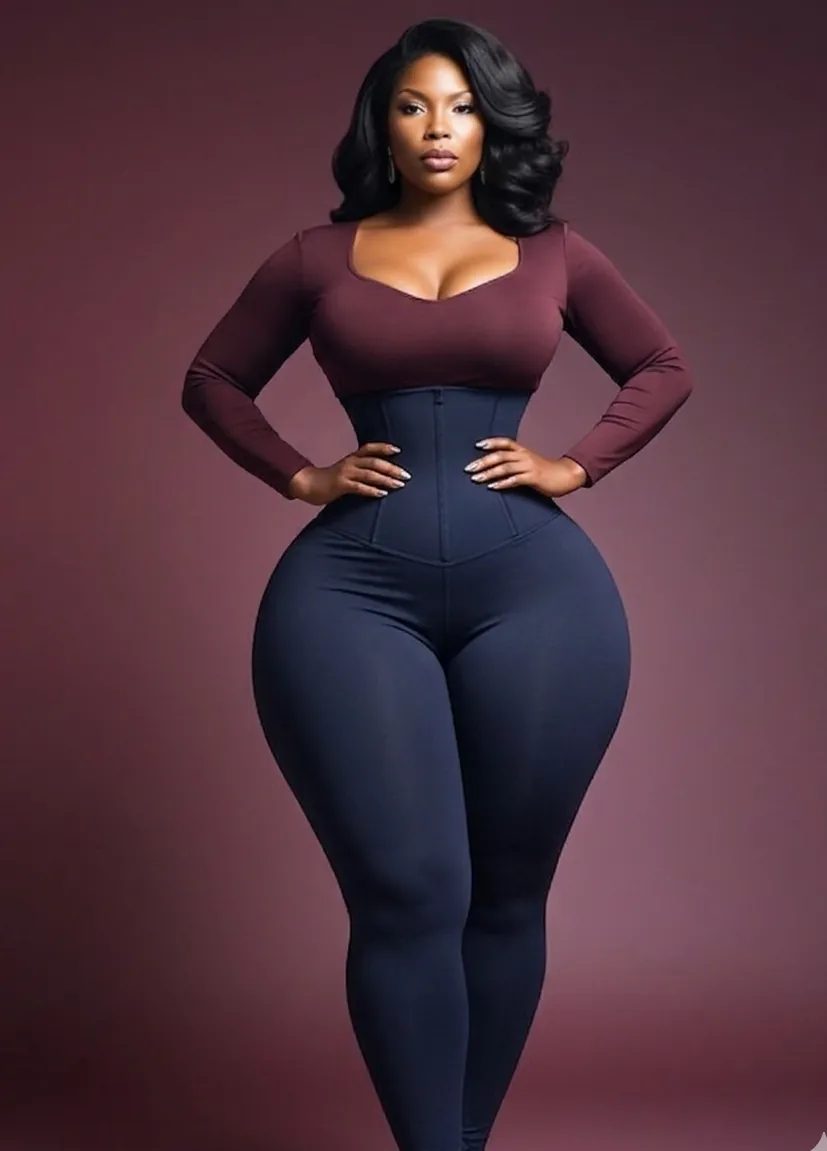
Why Sizing Down Makes Shapewear Work Worse
Buying a size down does not buy more shaping. It moves the pressure to the wrong places and makes the garment work worse.
Read the story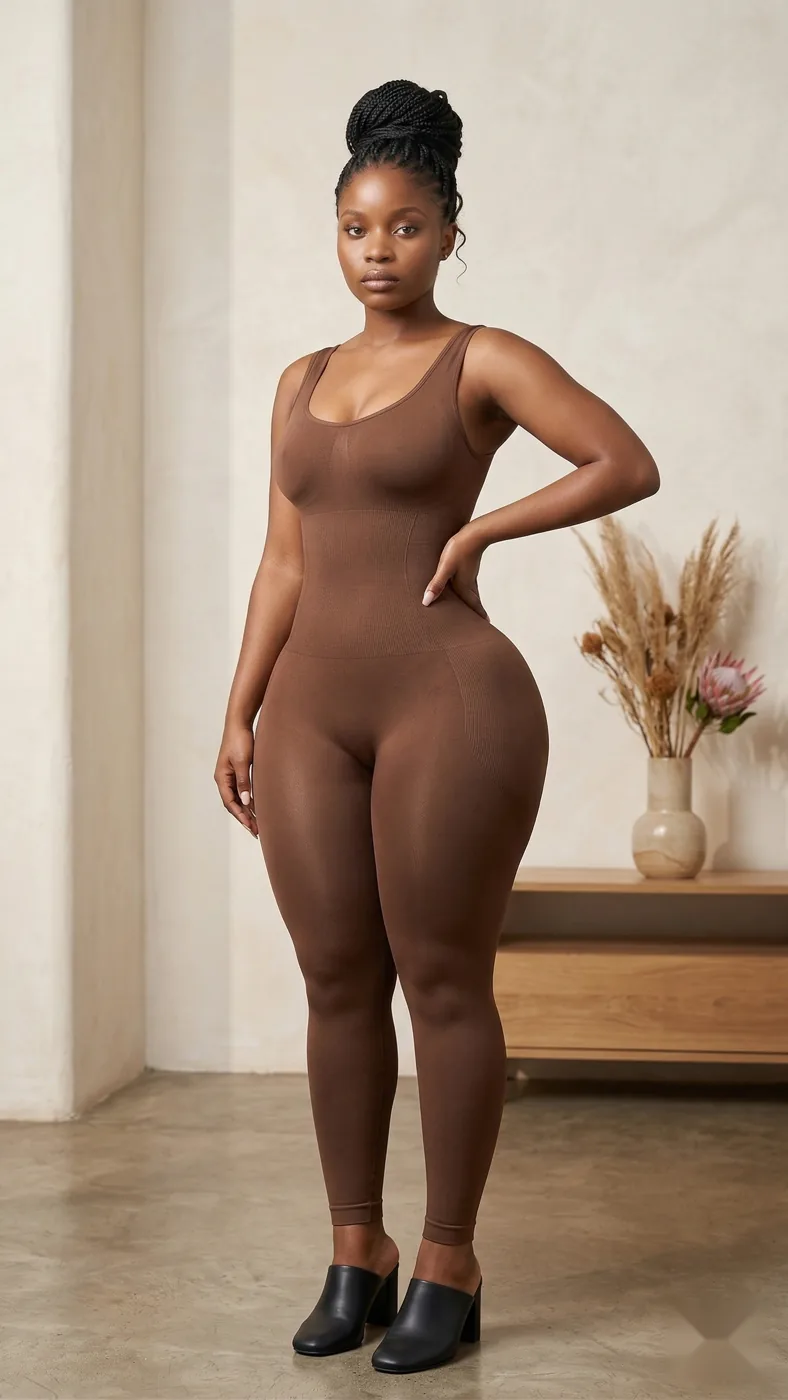
Where Compression Should Begin - and Where It Should Let Go
Good shaping changes pressure from zone to zone. Knowing where it should begin and where it should let go is half of choosing well.
Read the story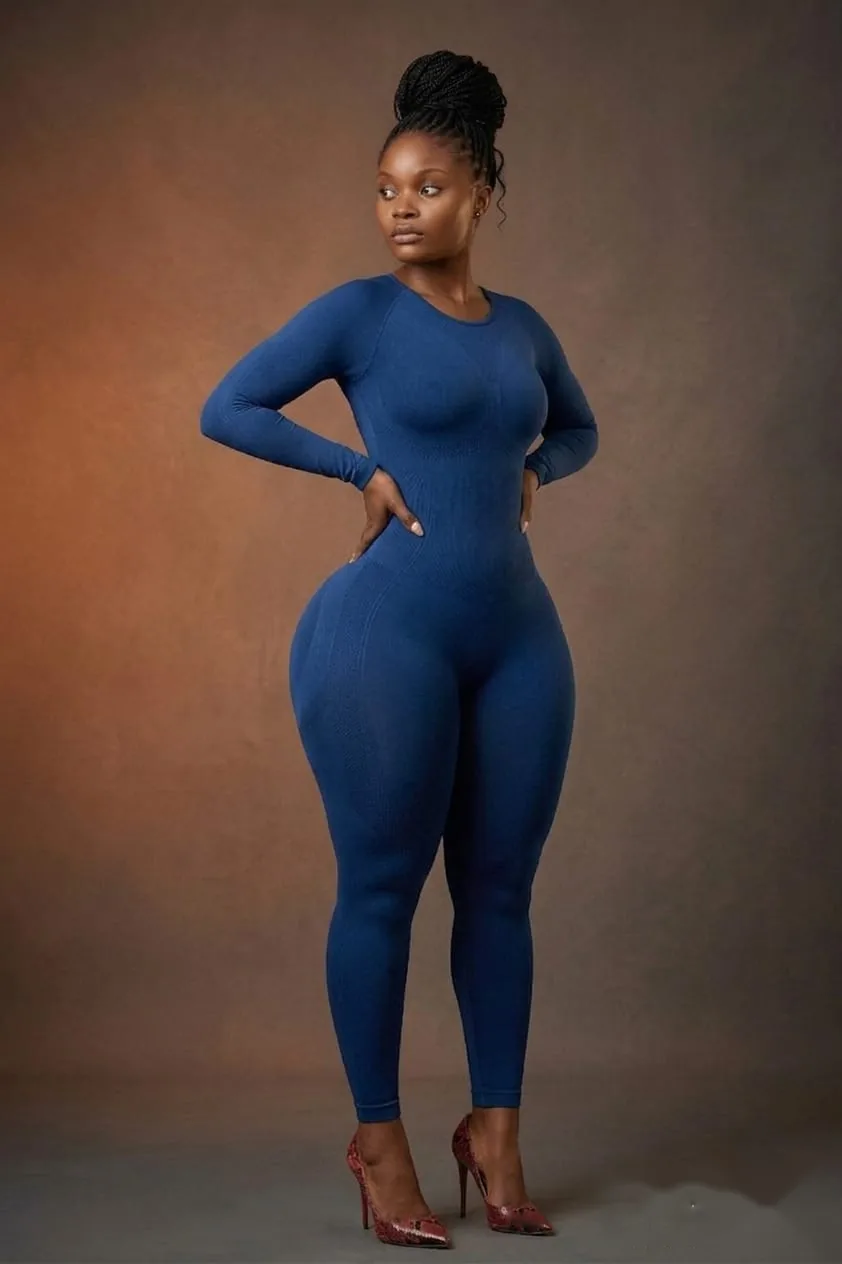
Why Good Shapewear Curves Before You Put It On
Well-made shapewear already has a curve in it before it goes on. That is the sign of anatomical pattern cutting.
Read the storyStretch Is Easy. Recovery Is the Real Test.
Any fabric stretches. The real test of quality is whether it comes back to its shape afterwards.
Read the story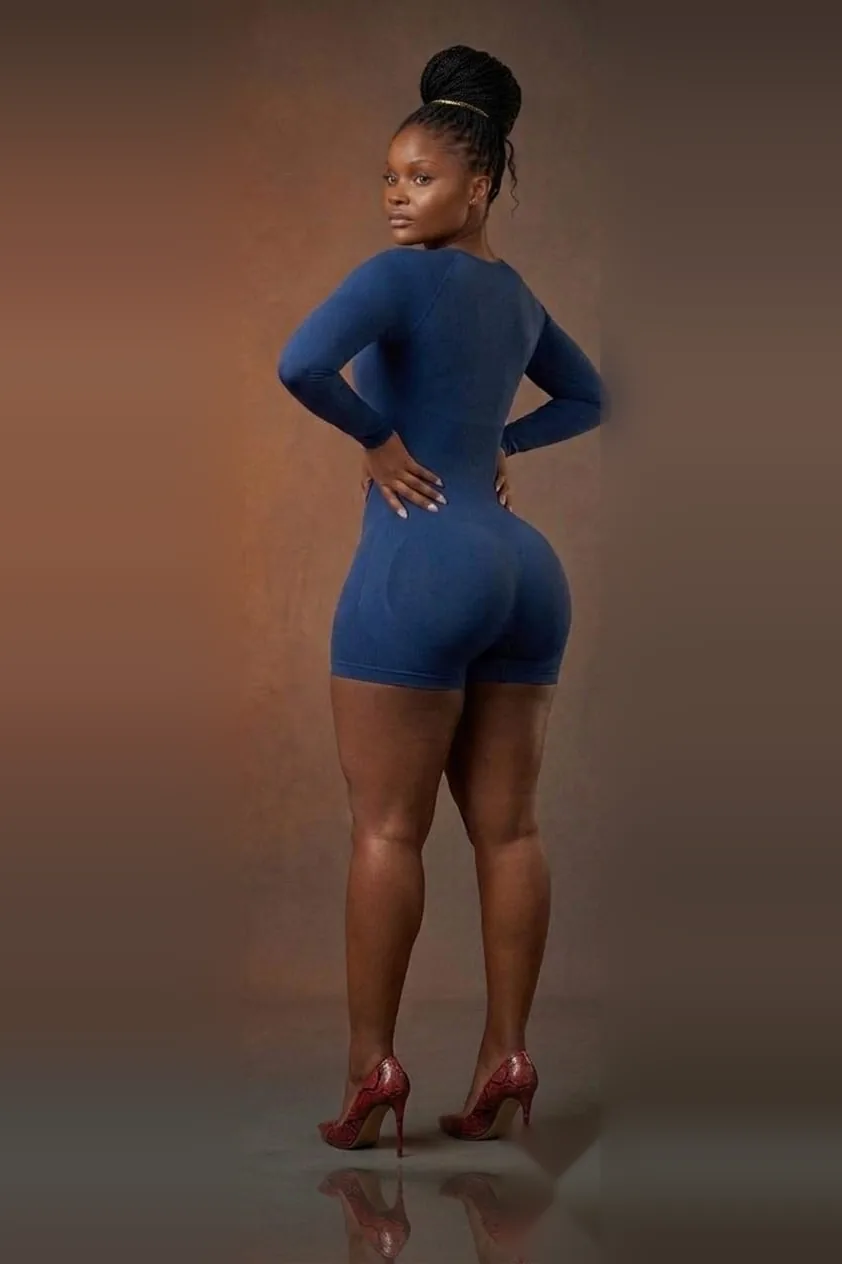
Power Mesh: The Invisible Architecture of Control
Power mesh is the hidden framework inside many shaping garments. It controls without adding bulk.
Read the story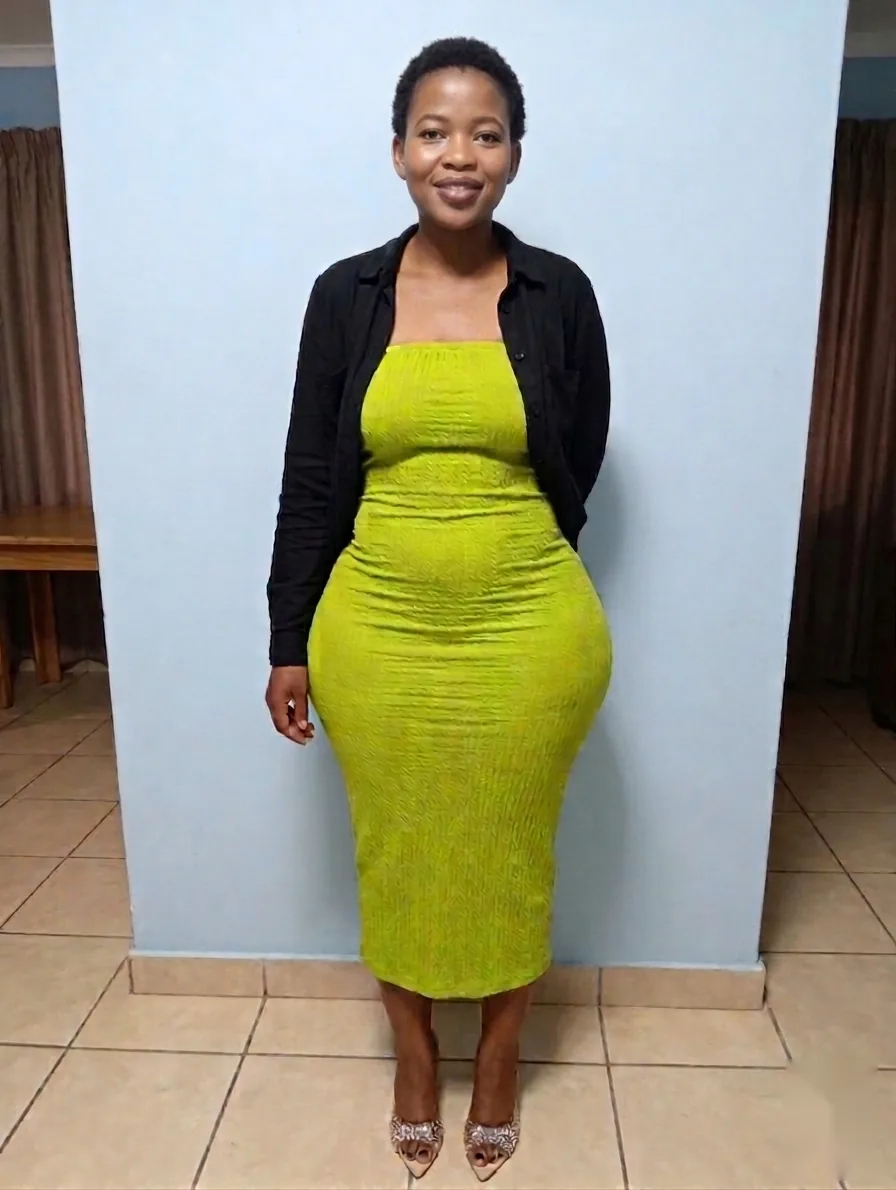
The Tiny Silicone Strip Doing an Eight-Hour Job
A strip of silicone inside the waistband has one job for eight hours: keep the garment from moving.
Read the story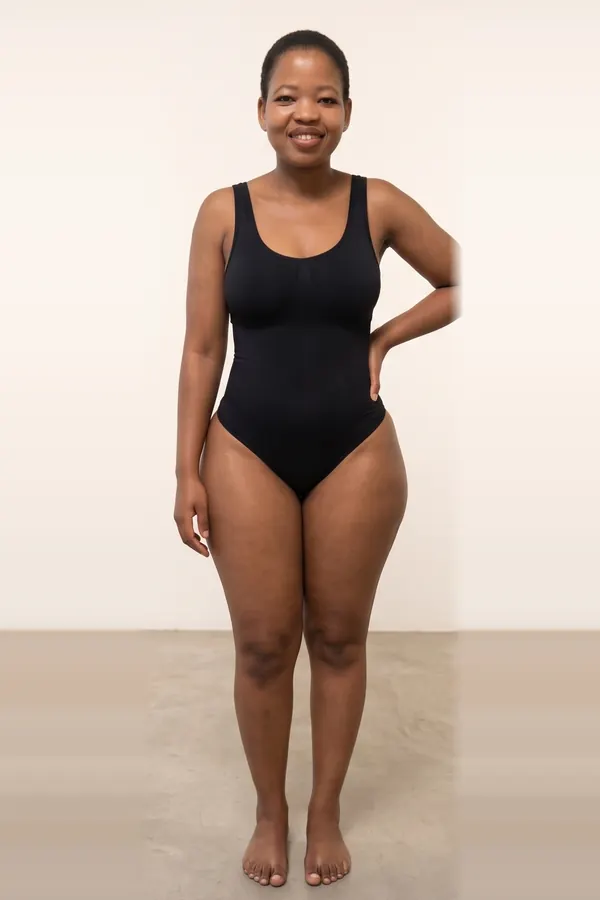
Why a Bodysuit Doesn't Need to Fight Gravity at the Waist
A bodysuit is anchored at the shoulders, so the waist does not have to fight gravity to stay up.
Read the story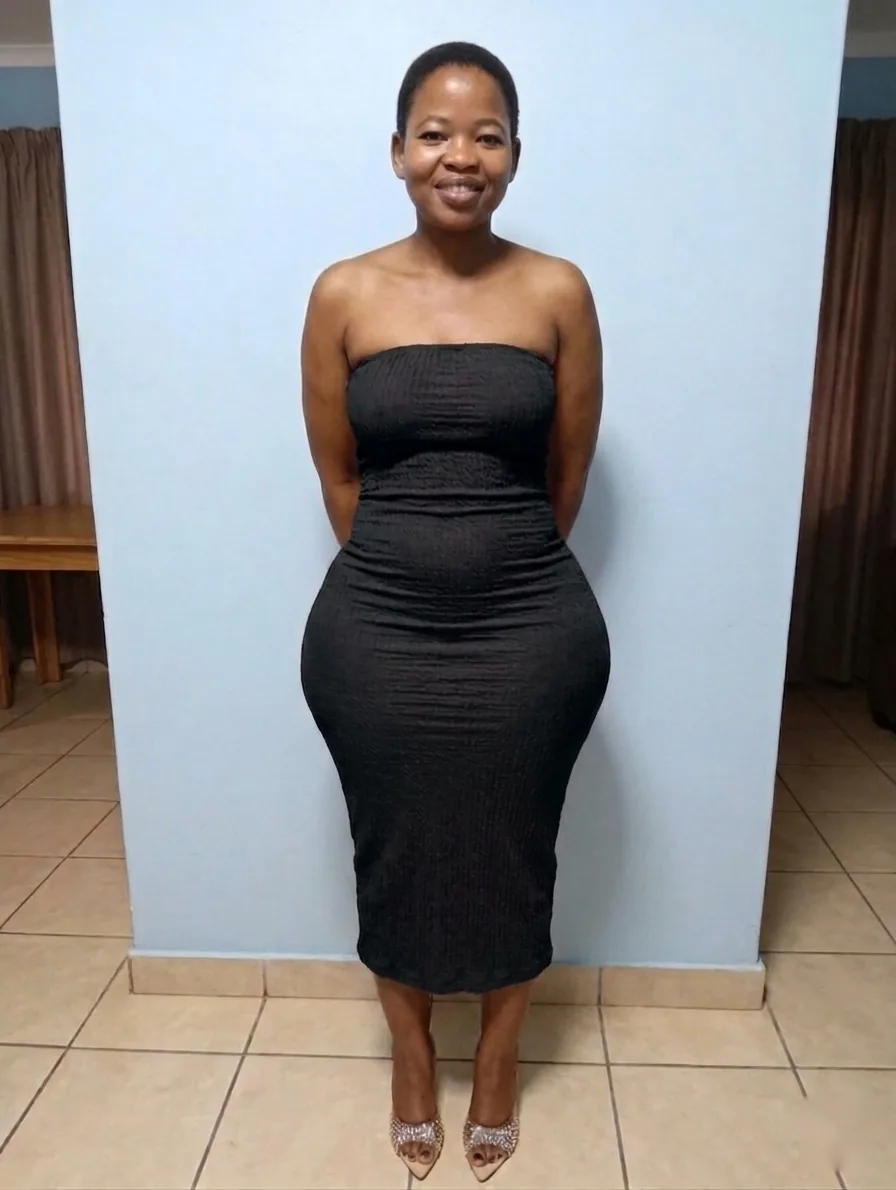
The Under-Glute Band: Small Seam, Big Visual Difference
A small band sewn beneath the seat changes how the whole back view looks. It is one of the most useful seams in shapewear.
Read the story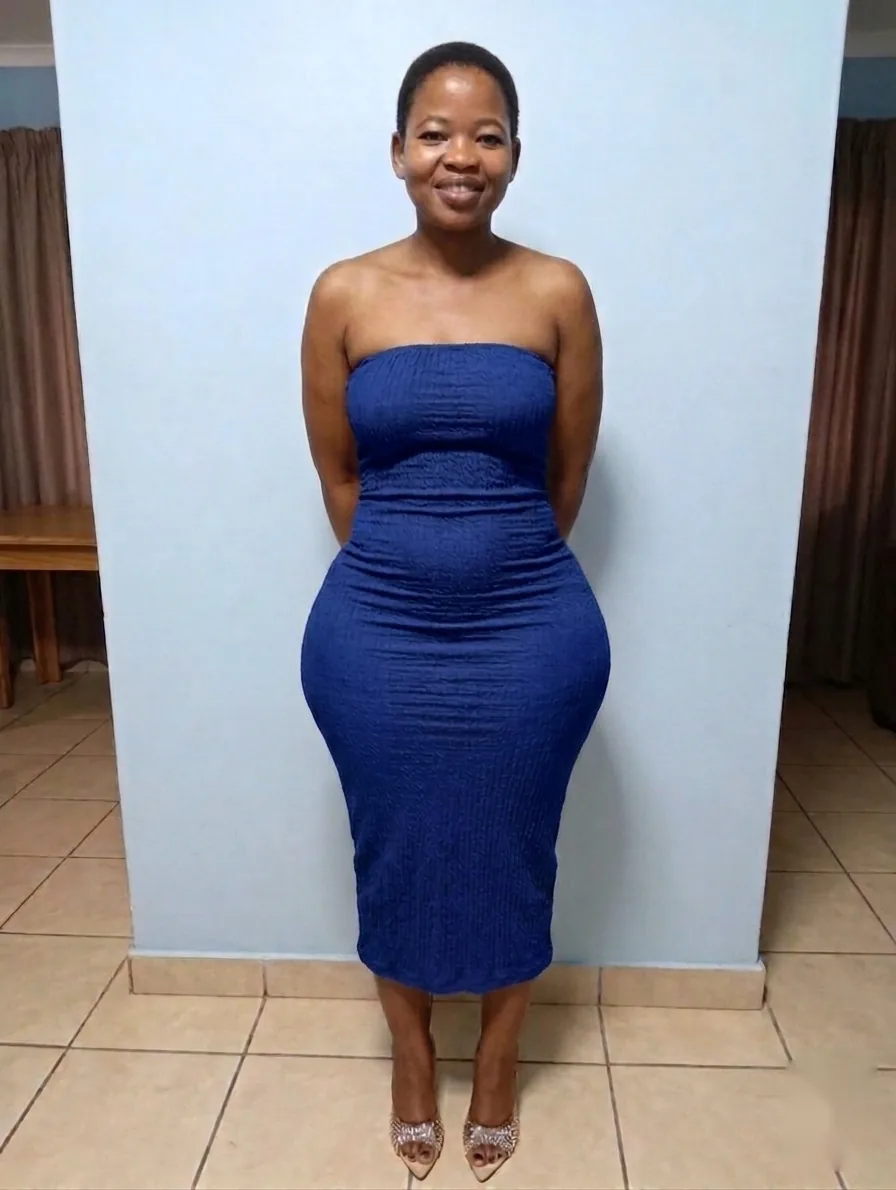
Wide Straps, Better Distribution: The Shoulder Matters Too
Straps do more than hold a garment up. Wide straps spread the load so shaping stays comfortable all day.
Read the story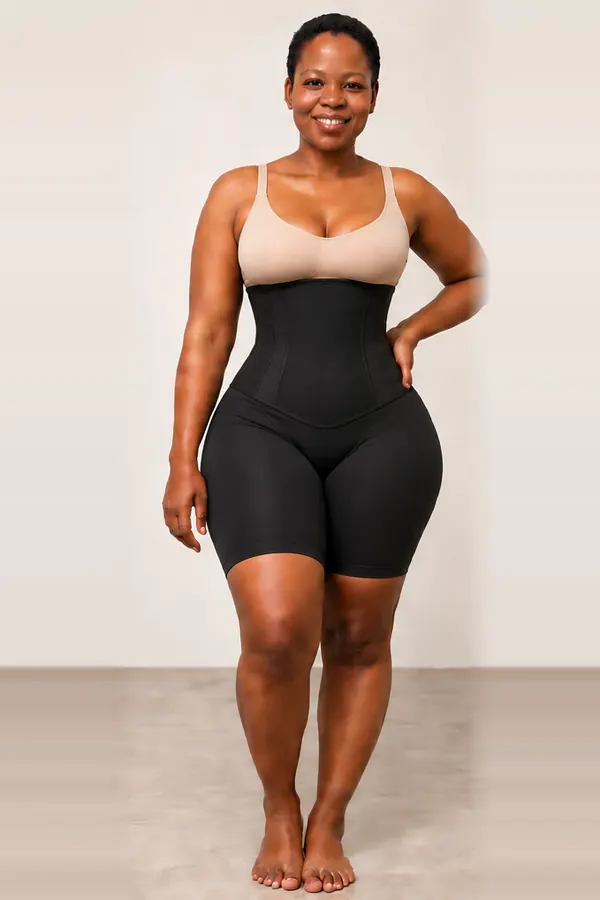
Why High Waists Roll - and What Construction Can Do About It
High waists roll for reasons that can be fixed. Construction is usually the answer, not the body underneath.
Read the story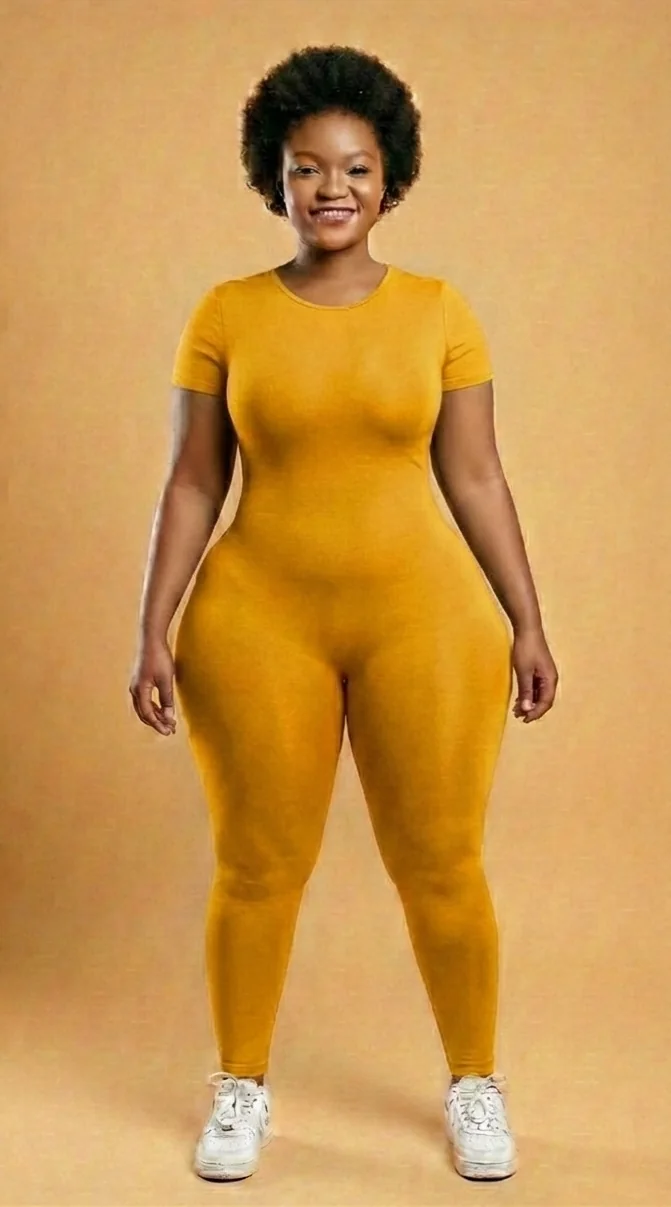
Elastane in the Heat: What Your Fabric Is Doing at 32°C
Elastane behaves differently when the day is hot. Knowing what the fabric is doing helps you choose what to wear.
Read the story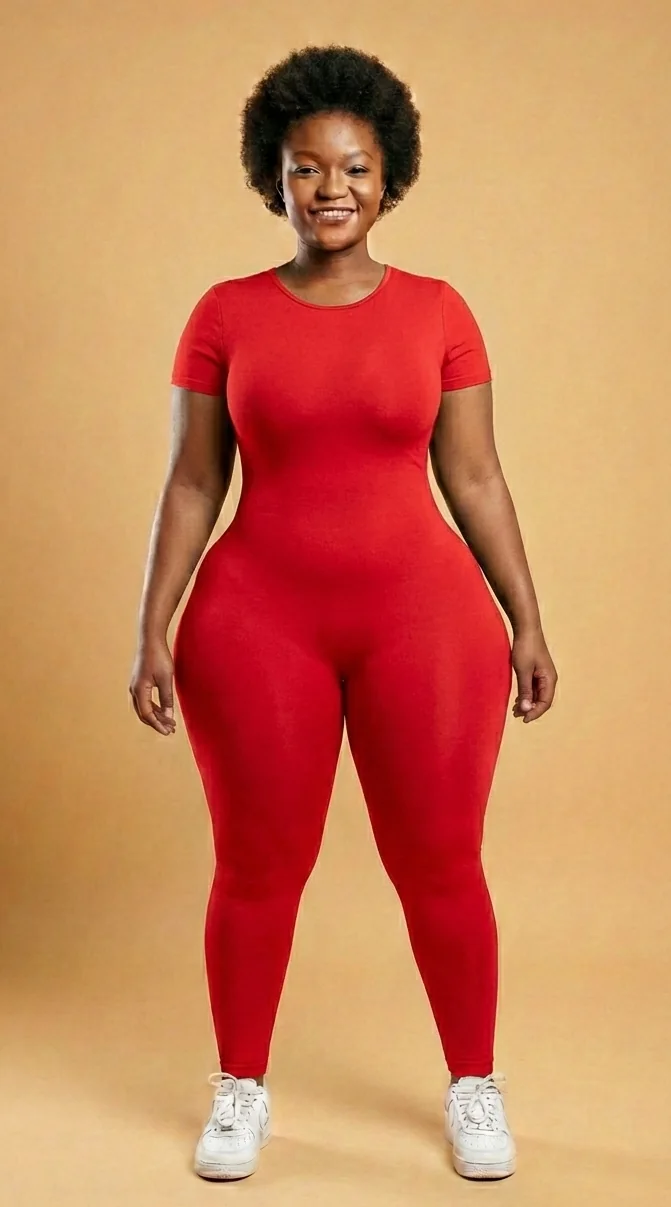
The Strapless Cup Is an Engineering Problem
Supporting the bust without straps is one of the hardest problems in garment engineering.
Read the story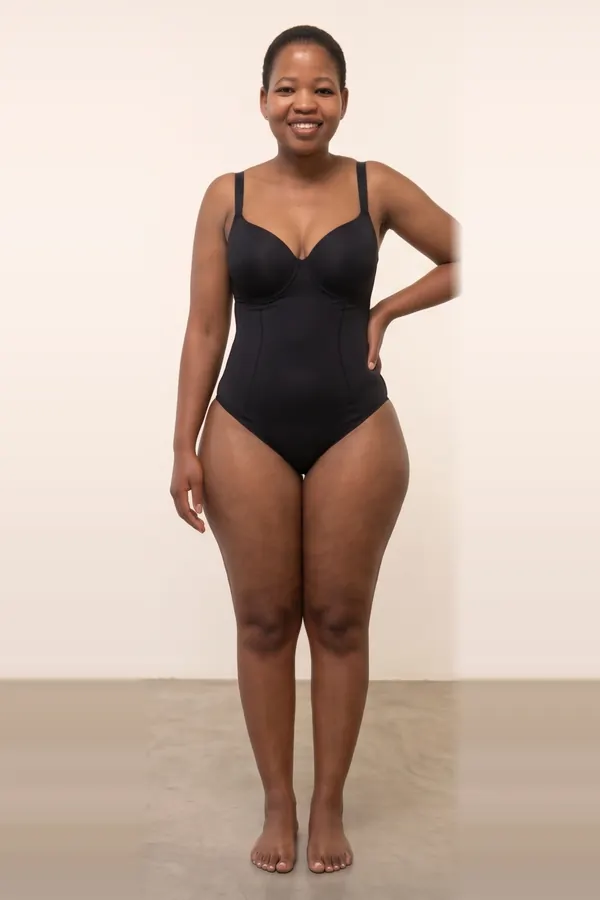
Open Bust, Closed System: The Geometry of Wearing Your Own Bra
An open-bust bodysuit and your own bra work together as one system. Understanding the geometry helps both do their jobs.
Read the story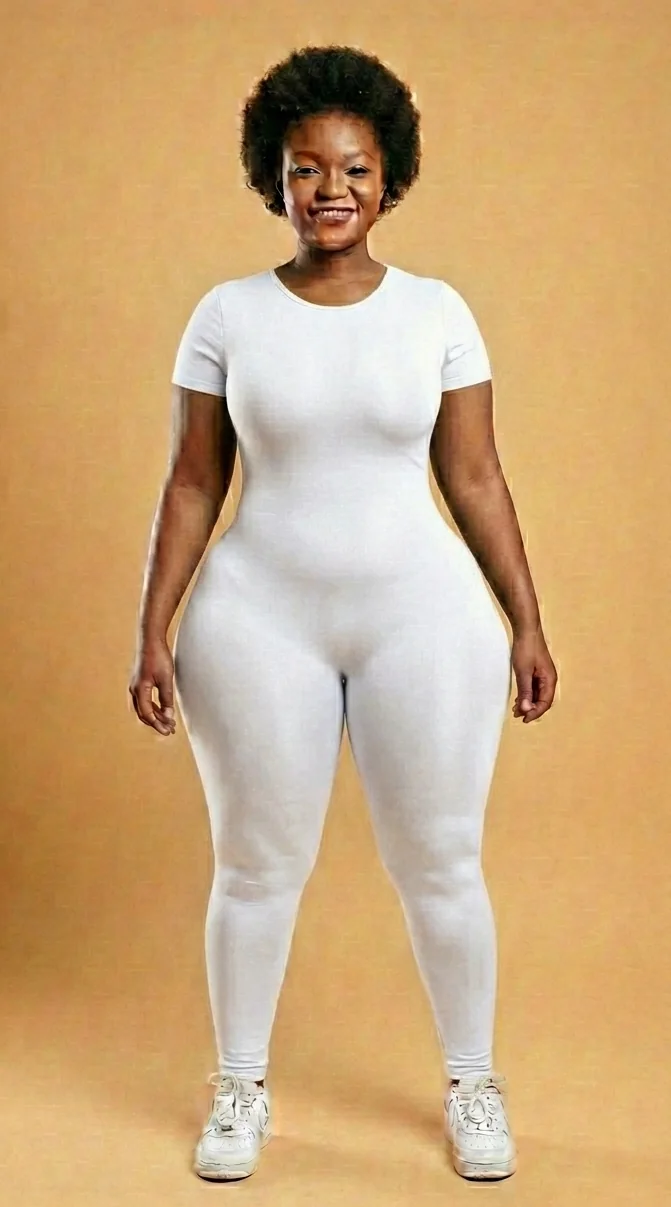
Flat, Bonded, Knitted: Three Ways to Make a Seam Disappear
Flat seams, bonded edges and knitted construction all aim at the same goal: a seam you cannot see.
Read the story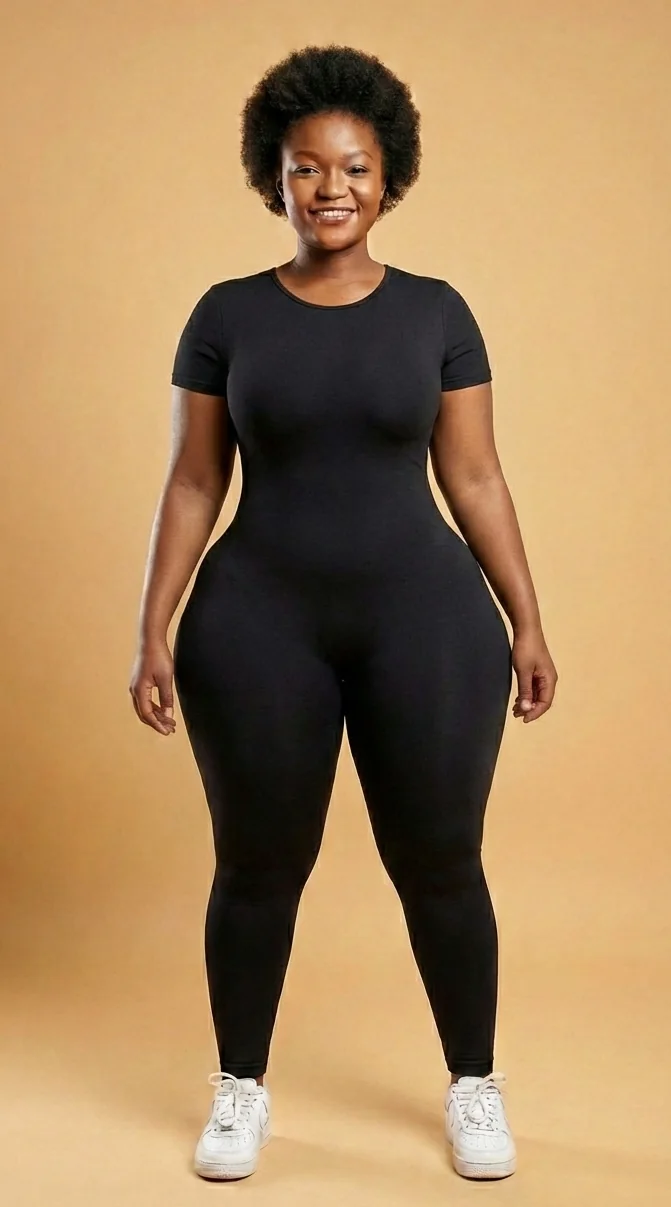
Stretch Versus Recovery: Why One Determines Longevity
How a fabric stretches when new tells you little. How it recovers tells you how long the garment will last.
Read the storyBoning and Compression Are Not the Same Technology
Boning and compression both shape the body, but they are different technologies with different jobs.
Read the story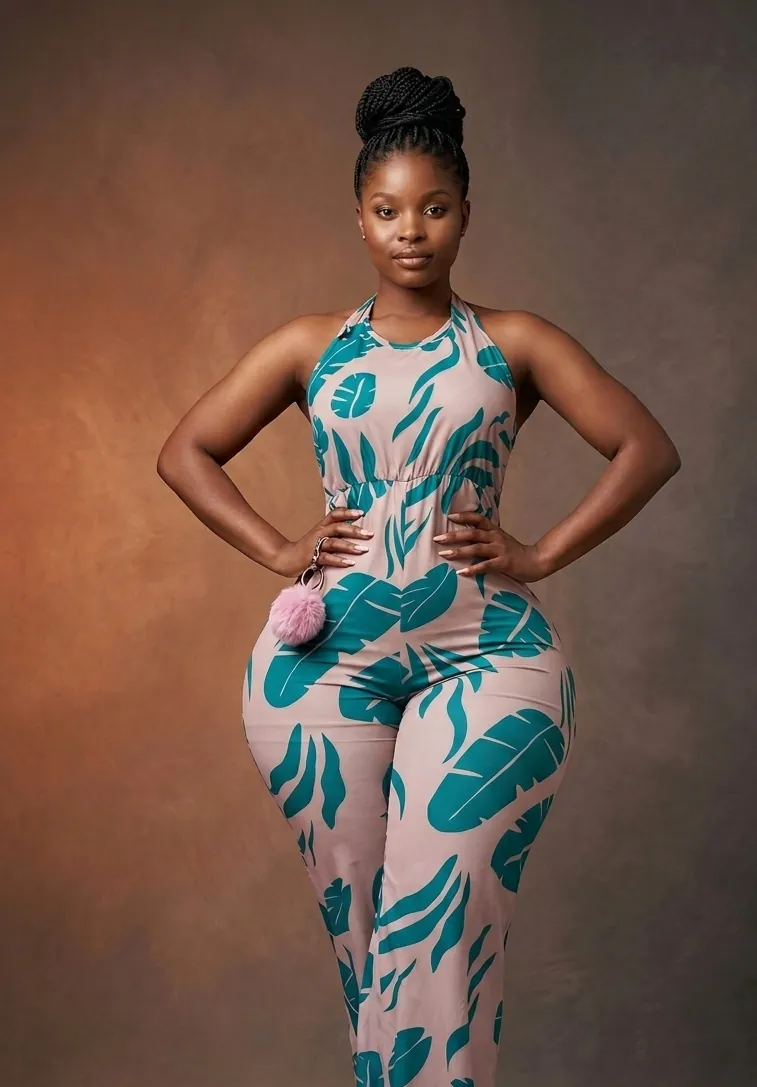
Full-Body Compression: Why More Fabric Changes the Experience
When a shaper covers more of the body, it spreads its pressure over more skin. That changes how it feels.
Read the story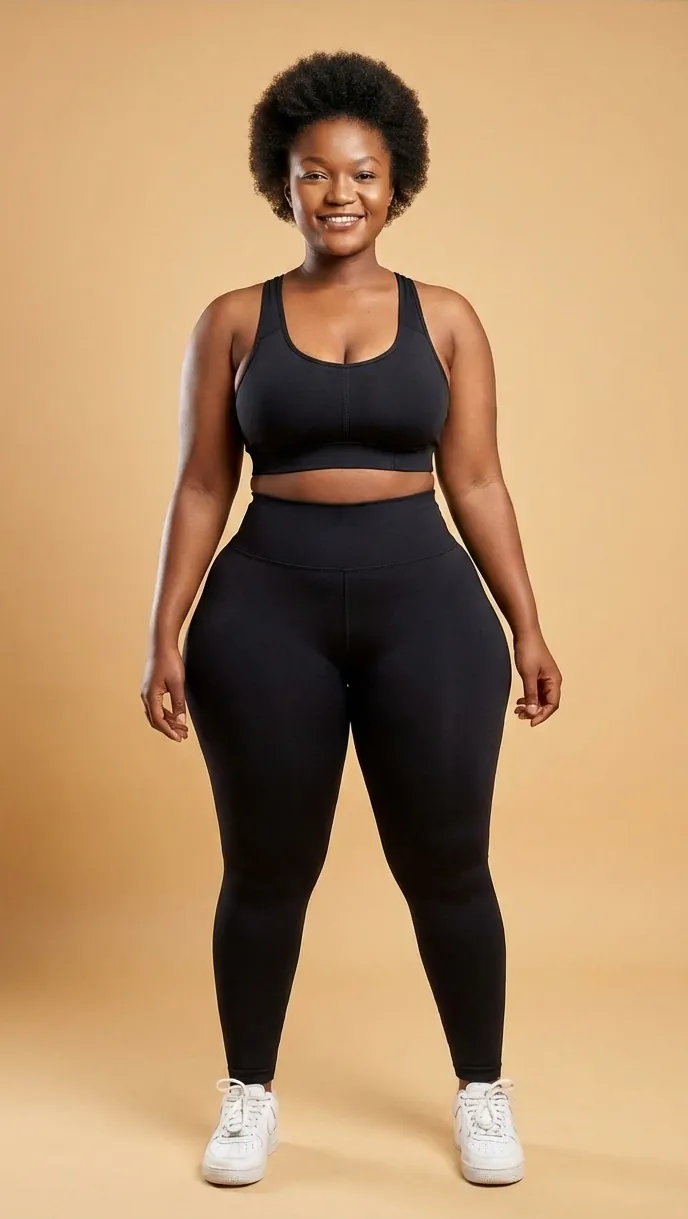
The Thigh Hem Is a Pressure Transition
The hem of a shaping short is where pressure has to fade gently. Get it wrong, and the edge shows through.
Read the story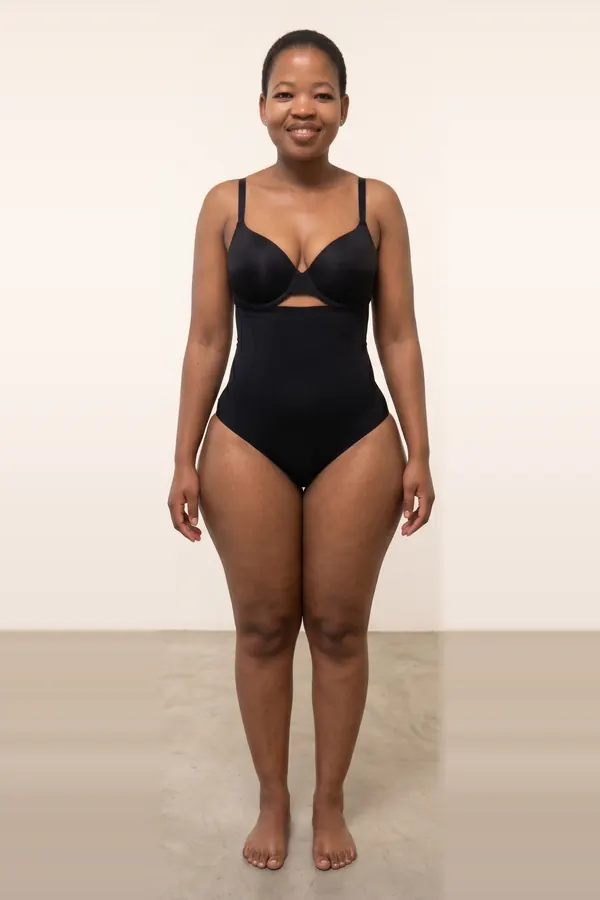
Designed Around Curves, Not Against Them
Shapewear should be designed around curves, not against them. The geometry of the garment should make room for the body.
Read the story